Tankless vs Traditional Hot Water Heaters in Extreme Cold Climates
Excelsior Mechanical Plumbing, Heating & Air Conditioning • October 14, 2026
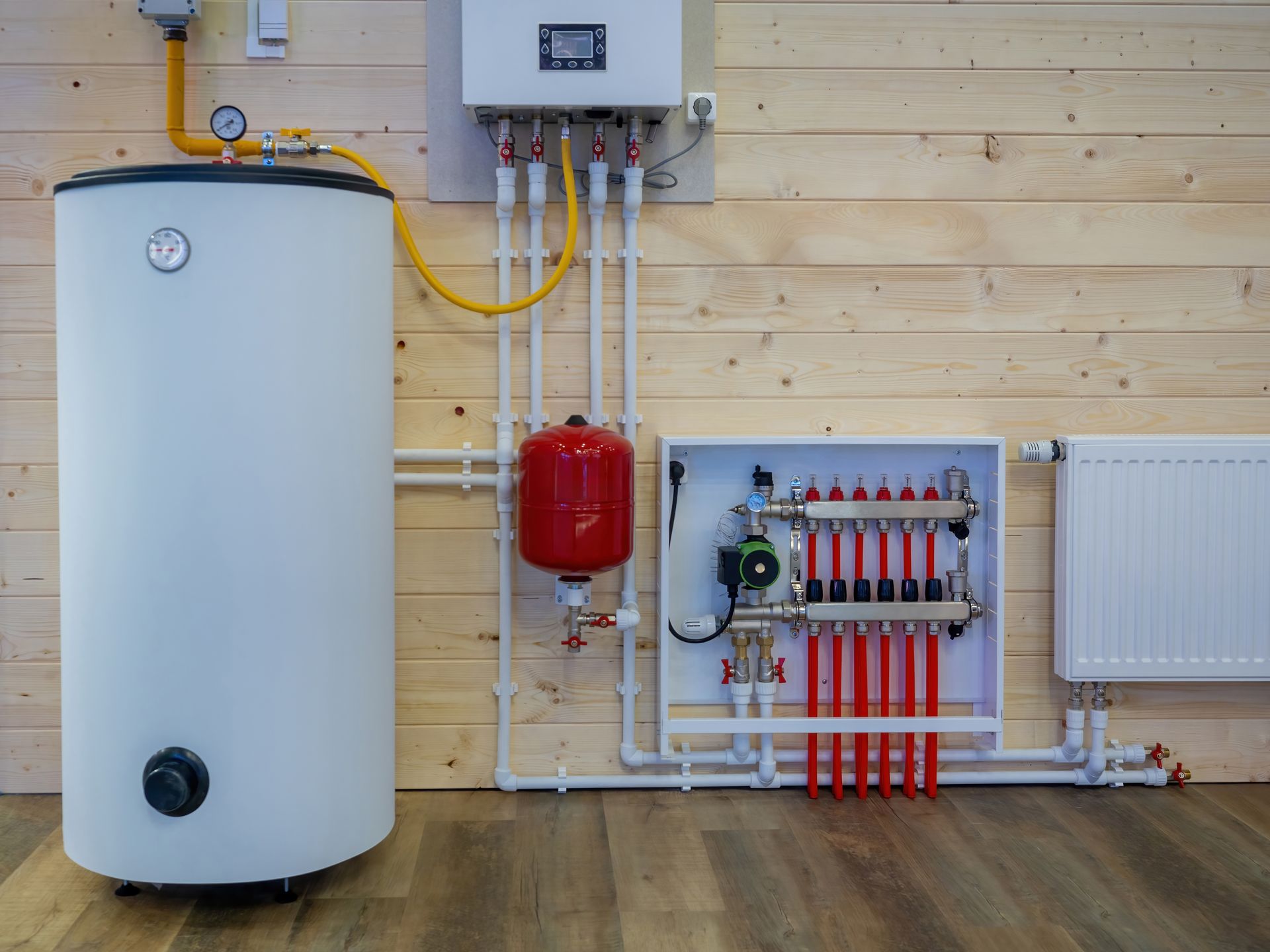
Endless hot showers sound like a dream for any homeowner tired of being the last one to use the bathroom. At Excelsior Mechanical Plumbing, Heating & Air Conditioning, we constantly field questions about upgrading from standard storage tanks to modern on demand systems. Installing a high capacity hot water tank Saskatoon families can depend on requires looking past the marketing brochures. The bitter cold of a Saskatchewan winter drastically alters how these different heating systems actually perform.
Many property owners assume a tankless unit will instantly solve all their hot water volume issues. While the technology is fantastic, it operates under the strict laws of thermodynamics. We want to set honest expectations about what you get when you remove your traditional storage tank. Understanding the physical limitations of your incoming water supply helps you invest in the right equipment.
In This Article:
- The Reality of Freezing Groundwater
- Overestimating Tankless Flow Rates
- The Durability of Traditional Storage Tanks
- Frequently Asked Questions
The Reality of Freezing Groundwater
The biggest factor affecting your hot water output is the temperature of the water entering your house. During the peak of winter, the municipal water pipes running beneath Stonebridge deliver incredibly cold water to your mechanical room. A tankless unit must instantly heat that freezing liquid up to a comfortable bathing temperature as it rushes through the heat exchanger.
→ From a professional standpoint: The colder the incoming water, the harder a tankless unit has to work to bridge the massive temperature gap.
Overestimating Tankless Flow Rates
A common overestimation homeowners have is that a single tankless unit can run two showers, a dishwasher, and a washing machine simultaneously in the dead of winter. Because the unit has to slow the water down to heat it properly from a near freezing starting point, the total gallons per minute flow rate drops significantly. If you demand too much hot water at once, the system will throttle the flow, resulting in a weak shower stream.
→ A quick tip to remember: If you have a large family with heavy simultaneous hot water demands, you may need to install two tankless units in parallel to maintain adequate pressure.
This is something clients notice firsthand when they need prompt and knowledgeable advice about their household plumbing demands.
► Client Experience: "The service was prompt and solved the issue with no parts required. Fair price with knowledgeable techs. Would recommend."
Getting an honest assessment of your equipment capabilities ensures you are never disappointed with the output, an approach Russ Zacharias clearly values.
The Durability of Traditional Storage Tanks
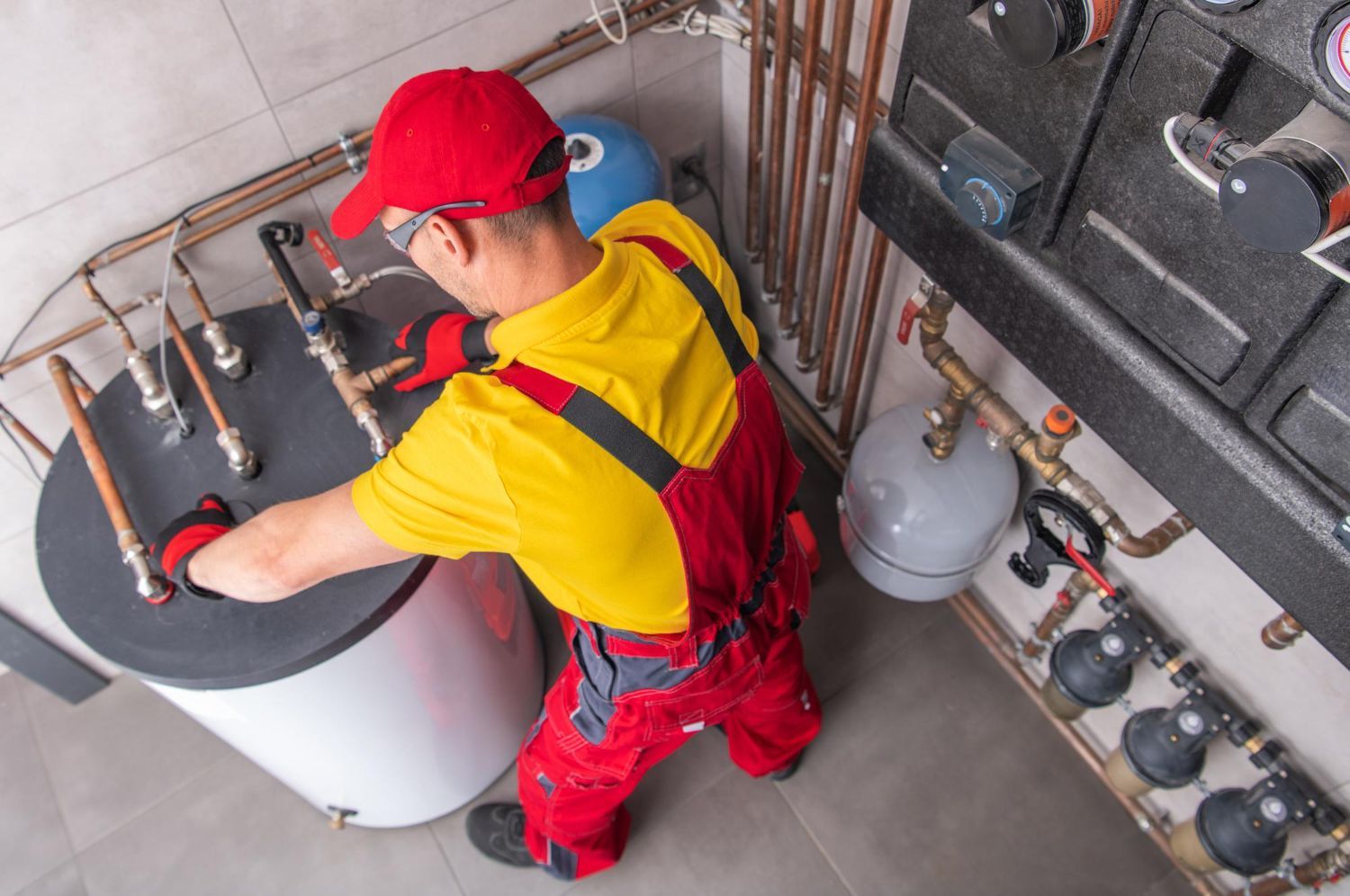
Traditional hot water tanks remain incredibly popular because they excel at delivering large volumes of water very quickly. Since the water is pre heated and stored, the incoming groundwater temperature does not instantly throttle your shower pressure. The main drawback is standby heat loss, but modern heavily insulated tanks have minimized this inefficiency.
→ From a professional standpoint: A standard fifty gallon gas fired storage tank is often the most cost effective and reliable choice for a busy household operating on a tight budget.
Frequently Asked Questions
Are tankless water heaters worth the extra upfront cost?
Tankless units cost significantly more to purchase and install due to the complex gas piping and specialized venting required. However, they last nearly twice as long as traditional tanks and eliminate standby energy loss. If you plan to stay in the home for over a decade, the energy savings and unlimited continuous output often justify the initial expense.
Do traditional tanks run out of hot water faster in winter?
Yes, traditional tanks can struggle slightly during extreme cold snaps. As hot water leaves the tank, freezing groundwater rushes in to replace it. This rapidly drops the overall core temperature of the stored water, meaning your furnace burner has to run longer to recover the heat.
Can hard water ruin my heating equipment?
Saskatchewan is known for having incredibly hard water filled with calcium and magnesium. These minerals bake onto the heat exchangers inside tankless units and settle at the bottom of traditional tanks. Without an annual descaling flush, this sediment buildup will destroy the efficiency of either system and cause premature failure.
Choosing Your Next Water Heater
Selecting the right heating equipment comes down to your budget, family size, and daily usage habits. Knowing how the local climate impacts performance ensures you do not overspend on a system that falls short of your expectations. Reach out to our plumbing specialists today to assess your mechanical room and find the perfect fit for your daily routine.
Share This Blog