How to Protect Your Home Water Pressure from Hard Mineral Buildup
Excelsior Mechanical Plumbing, Heating & Air Conditioning • August 25, 2026
Hard water is a silent destroyer of mechanical equipment across Saskatchewan. When dissolved minerals bake onto the inside of your hot water tanks, the entire plumbing system suffers from restricted flow. At Excelsior Mechanical Plumbing, Heating & Air Conditioning, we help homeowners in Warman stop this damage before it ruins their appliances. Establishing a strict maintenance routine is the only way to protect your water pressure and extend the life of your expensive heating equipment.
Many property owners ignore their water heater until the shower suddenly turns freezing cold. By the time the temperature drops, the bottom of the tank is usually packed with solid rock scale. We want to outline the exact preventative steps you need to take to keep your system clean. Following this guide will ensure your fixtures maintain strong pressure and your equipment runs smoothly.
Inside This Maintenance Guide:
- Immediate Tank Flushing Aftercare
- Ongoing Habits to Maintain Strong Flow
- Common Mistakes That Ruin Hot Water Tanks
- Frequently Asked Questions
Immediate Tank Flushing Aftercare
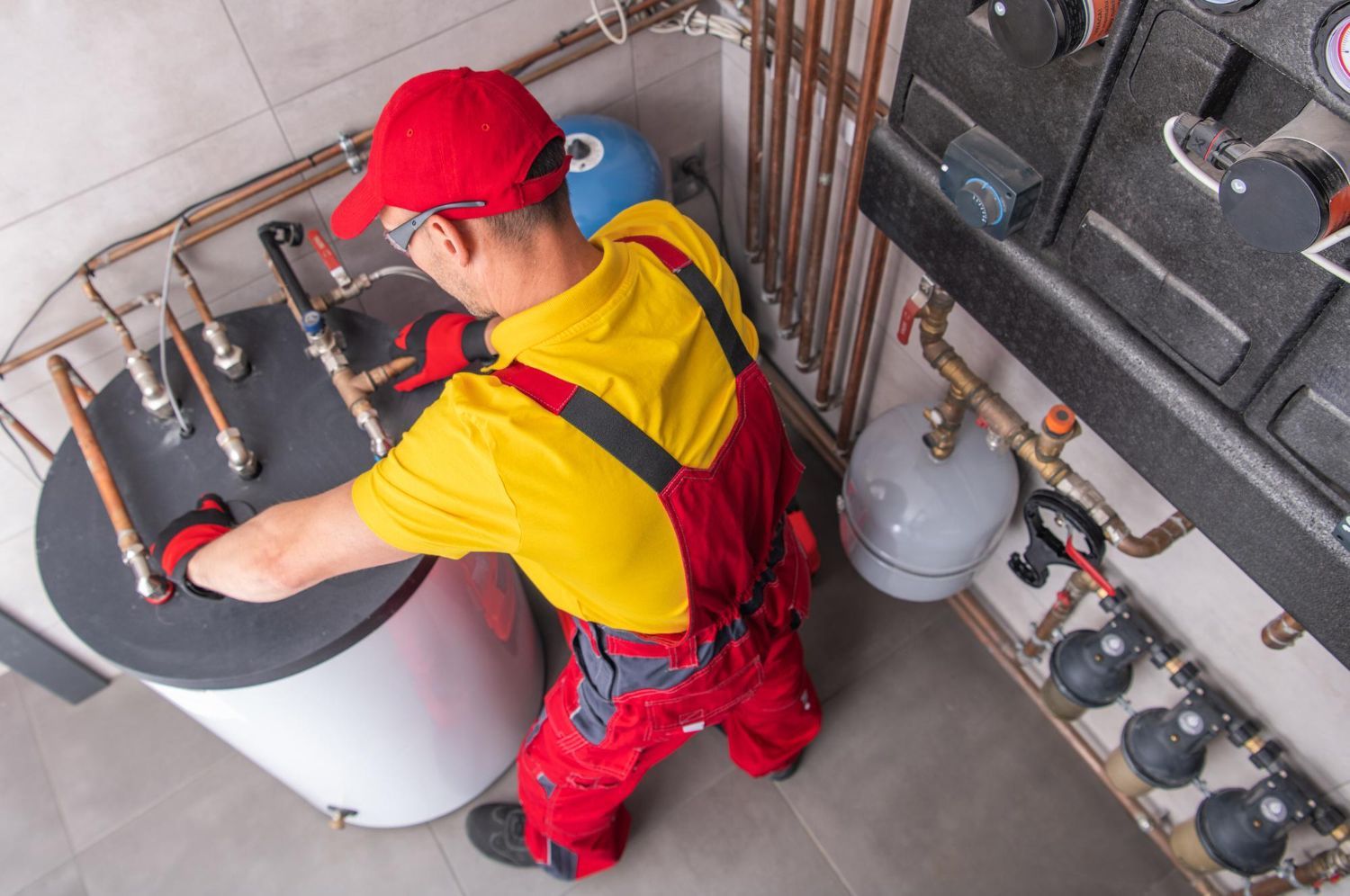
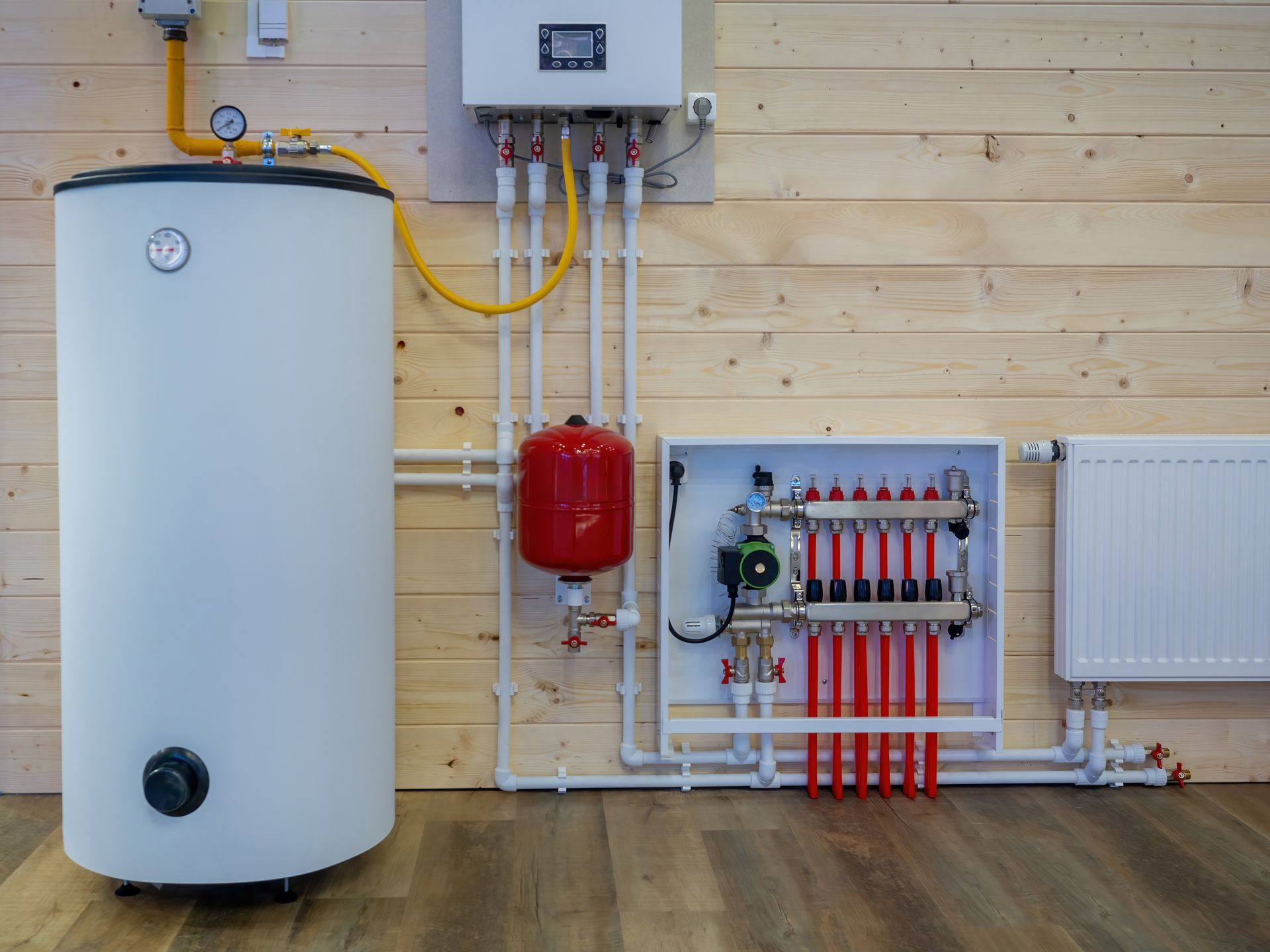
The most effective way to remove loose minerals is to physically flush the tank once a year. This prevents the calcium from baking into a solid sheet of rock on the burner plate.
- Shut off the power: Always turn off the gas valve or the electrical breaker to the tank before draining it to protect the heating elements from dry firing.
- Connect a heavy hose: Attach a thick garden hose to the bottom drain valve and route the water to a nearby floor drain.
- Flush under pressure: Open the drain valve while leaving the cold water supply turned on for five minutes to forcefully stir up and push the sediment out.
It is a pattern the team at Excelsior Mechanical Plumbing, Heating & Air Conditioning hears regularly when property owners prioritize long term equipment health.
► Client Experience: "I have used Excelsior for 27 years now and love the work and service that they do, highly recommend them"
Consistent maintenance by a trusted professional keeps heavy appliances running perfectly for decades, a reality Mark Bortis knows well.
Ongoing Habits to Maintain Strong Flow
Protecting your water pressure requires monitoring the fixtures and the mechanical valves attached to your tank. Staying ahead of the scaling process keeps the water moving freely.
- Clean the aerators: Unscrew the small screens at the end of your faucets every three months and soak them in vinegar to dissolve trapped calcium flakes.
- Test the relief valve: Lift the lever on the temperature and pressure relief valve annually to ensure it snaps back cleanly and is not glued shut by hard water scale.
- Inspect the anode rod: Have a professional check the sacrificial magnesium rod inside the tank every two years to ensure it is still actively attracting corrosive minerals.
Common Mistakes That Ruin Hot Water Tanks
Most tank failures happen because homeowners unintentionally trap the minerals inside the unit. Ignoring the warning signs of scale buildup leads to catastrophic tank ruptures.
- Ignoring popping noises: Leaving a tank alone when it makes loud popping or boiling sounds guarantees the bottom will warp and crack.
- Skipping the flush: Assuming a new tank does not need to be flushed for the first five years allows the scale to harden permanently.
- Setting the heat too high: Cranking the thermostat above one hundred and forty degrees accelerates the mineral baking process exponentially.
► The single most important maintenance fact is that loud rumbling noises from your hot water tank indicate thick sediment is trapping boiling water against the steel floor of the unit.
Frequently Asked Questions
Does hard water ruin water pressure?
Yes, hard water minerals adhere to the inside of your pipes and fixtures, slowly reducing the diameter of the water lines. As the pipes choke on calcium buildup, the water struggles to push through the restricted space. This results in a massive drop in pressure at the showerhead and kitchen sink.
How do you remove scale from a hot water line?
Once scale hardens inside a water line, it is incredibly difficult to remove mechanically. Plumbers often have to replace the heavily calcified sections of pipe near the hot water tank. Installing a whole home water softening system is the best preventative measure to stop the scale from forming in the first place.
What happens if I never flush my water heater?
If you never flush the tank, heavy sediment will bury the lower heating element or block the gas burner plate. The unit will use twice as much energy trying to heat the water through a thick layer of rock. Eventually, the trapped heat will cause the steel tank to fracture and flood your mechanical room.
Keeping Your Water Flowing Strong
Staying proactive against hard water saves you thousands of dollars in premature equipment failure. Committing to an annual flushing routine guarantees your hot water tanks perform reliably all year round. Contact our maintenance team today to schedule a thorough tank cleaning and protect your water pressure.
Share This Blog