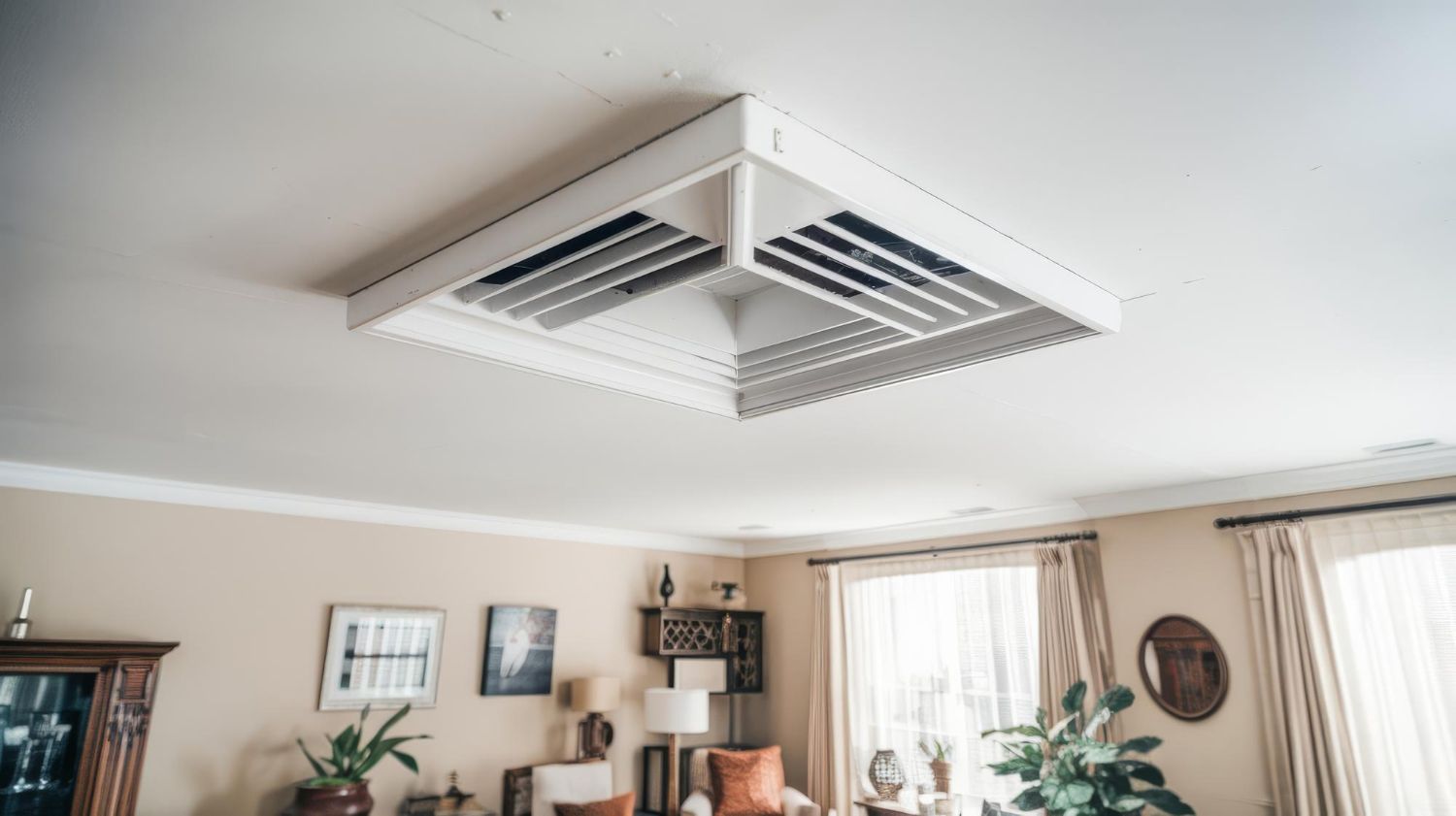
Stop Your Central AC from Freezing Solid at the End of the Season
Excelsior Mechanical Plumbing, Heating & Air Conditioning • September 8, 2026
Late summer weather often forces your cooling equipment to work overtime just as the components are suffering from seasonal fatigue. Finding a thick block of ice on your outdoor unit or indoor coils is a frustrating surprise that halts all cold air production. At Excelsior Mechanical Plumbing, Heating & Air Conditioning, we see a massive spike in frozen systems right before the autumn weather arrives. Getting prompt air conditioning repair Saskatoon homeowners depend on prevents this ice from causing permanent compressor damage.
Ice formation means your system is mechanically failing to absorb heat from the air inside your house. If you ignore the freezing and just keep lowering the thermostat, the compressor motor will eventually overheat and burn out. We want to outline the exact stages you must follow to safely thaw the system and get it repaired. Moving decisively ensures you do not spend the last hot days of the year sweating indoors.
In This Article
- Stage 1: Assess the System for Ice
- Stage 2: Schedule Professional Diagnostics
- Stage 3: Protect the Unit from Future Freezing
- Frequently Asked Questions
Stage 1: Assess the System for Ice
The moment you notice warm air coming from your vents, you must physically inspect the equipment. Running a frozen system forces the internal motors to pull dangerous amounts of electrical current.
- Shut the power off: Turn the thermostat completely off to stop the outdoor compressor from trying to push refrigerant through a blocked system.
- Turn the fan on: Switch your thermostat fan setting from auto to the continuously on position to force warm indoor air over the frozen indoor coils.
- Check the filter: Pull out your furnace filter to see if a massive layer of dust is blocking the air from reaching the cooling coils.
Stage 2: Schedule Professional Diagnostics
Once the ice begins melting, you must bring in a professional to find the root cause of the freezing. A system will never freeze under normal operating conditions.
- Book a repair slot: Call your HVAC contractor immediately so they can arrive right as the system finishes thawing out.
- Prepare for water: Lay down thick towels around the base of your indoor furnace, as a melting block of ice often overwhelms the plastic drain pan and spills onto the floor.
- Do not restart the cooling: Keep the air conditioning setting turned off until the technician arrives, because restarting it will just create a brand new block of ice.
This is something clients notice firsthand when they need fast interventions for failing equipment near the Meewasin Valley.
► Client Experience: "Have been using Excelsior Mechanical for years now. It is always top notch service. Desmond is honest, knowledgeable and professional. He goes above and beyond and is always very reliable. I would recommend him and the company to anyone which I have in the past."
Providing honest diagnostics and reliable repairs is exactly why homeowners like Justin Chomitzky continue to trust our expertise year after year.
Stage 3: Protect the Unit from Future Freezing
After the technician fixes the mechanical issue, you must implement habits to keep the airflow strong. Proper airflow is the only thing keeping the refrigerant lines from dropping below the freezing point.
- Replace filters monthly: Swap out your basic pleated filters every thirty days during the peak cooling season to prevent dust blockages.
- Open your registers: Ensure all floor and ceiling vents are fully open, as closing too many vents creates extreme static pressure that stalls the blower motor.
- Clear the outdoor perimeter: Cut back any tall grass or weeds growing against the outdoor condenser cabinet to ensure the fan can pull enough fresh air.
► The single most important urgency fact is that chipping ice off the delicate copper coils with a tool will instantly puncture the metal and release all your refrigerant.
Frequently Asked Questions
What causes an air conditioner to freeze up?
An air conditioner freezes when there is a severe lack of airflow or a noticeable drop in the internal refrigerant pressure. If the blower motor cannot push enough warm house air over the indoor coils, the extremely cold refrigerant inside the copper lines causes the surrounding humidity to freeze instantly. Alternatively, a slow chemical leak lowers the system pressure, which drops the temperature of the coils below the freezing point of water.
Should I chip the ice off my AC unit?
You should never use a screwdriver, knife, or scraper to chip ice away from the cooling coils. The aluminum fins and copper tubing are incredibly thin and easily punctured by sharp tools. If you accidentally stab the coil, you will lose all the chemical refrigerant and require a massive, expensive system repair.
How long does it take for an AC unit to thaw?
Depending on the severity of the ice block and the ambient temperature inside your home, a system can take anywhere from four to twenty four hours to completely thaw. Leaving the indoor blower fan running speeds up the process significantly. A technician cannot accurately check the refrigerant pressures or test the electrical components until every trace of ice has melted away.
Keeping Your Home Cool and Safe
A frozen cooling system is a clear warning that your equipment is struggling to breathe. Taking immediate action to safely thaw the unit and bring in a professional saves your compressor from an early grave. Contact our repair team today to diagnose the freezing issue and restore your indoor comfort.
Share This Blog