How to Prep Your Residential Boiler System for Freezing Weather
Excelsior Mechanical Plumbing, Heating & Air Conditioning • September 16, 2026
Dropping temperatures signal the immediate need for reliable indoor heating across the province. Turning on a neglected hydronic heating system often reveals pressure issues and cold radiators that leave your family shivering. At Excelsior Mechanical Plumbing, Heating & Air Conditioning, we know exactly how to prepare these complex water based networks for the bitter cold. Proper boiler maintenance Saskatoon property owners schedule early will prevent sudden breakdowns when the frost hits.
A boiler relies on perfectly balanced water pressure and clear pipes to distribute heat evenly. When air bubbles or sediment get trapped inside the lines, the hot water cannot reach the distant rooms in your house. We want to explain the mechanical reasons behind these common heating failures so you understand exactly what needs fixing. Addressing these issues with a professional ensures every room stays comfortably warm.
What We Cover In This Guide
- Fixing Air Trapped Inside Your Radiators
- Restoring Lost System Pressure
- Why DIY Boiler Maintenance Makes Things Worse
- How often should a residential boiler be serviced?
Fixing Air Trapped Inside Your Radiators
The most common reason a radiator feels cold at the top and warm at the bottom is trapped air. Air naturally enters the plumbing network over the summer months and rises to the highest points in the system. Because air does not conduct heat like water does, these large bubbles act as a physical roadblock that stops the hot water from circulating properly.
→ From a professional standpoint: A technician will bleed the air out of every radiator in the house starting from the lowest floor and working their way up to the top level.
Restoring Lost System Pressure
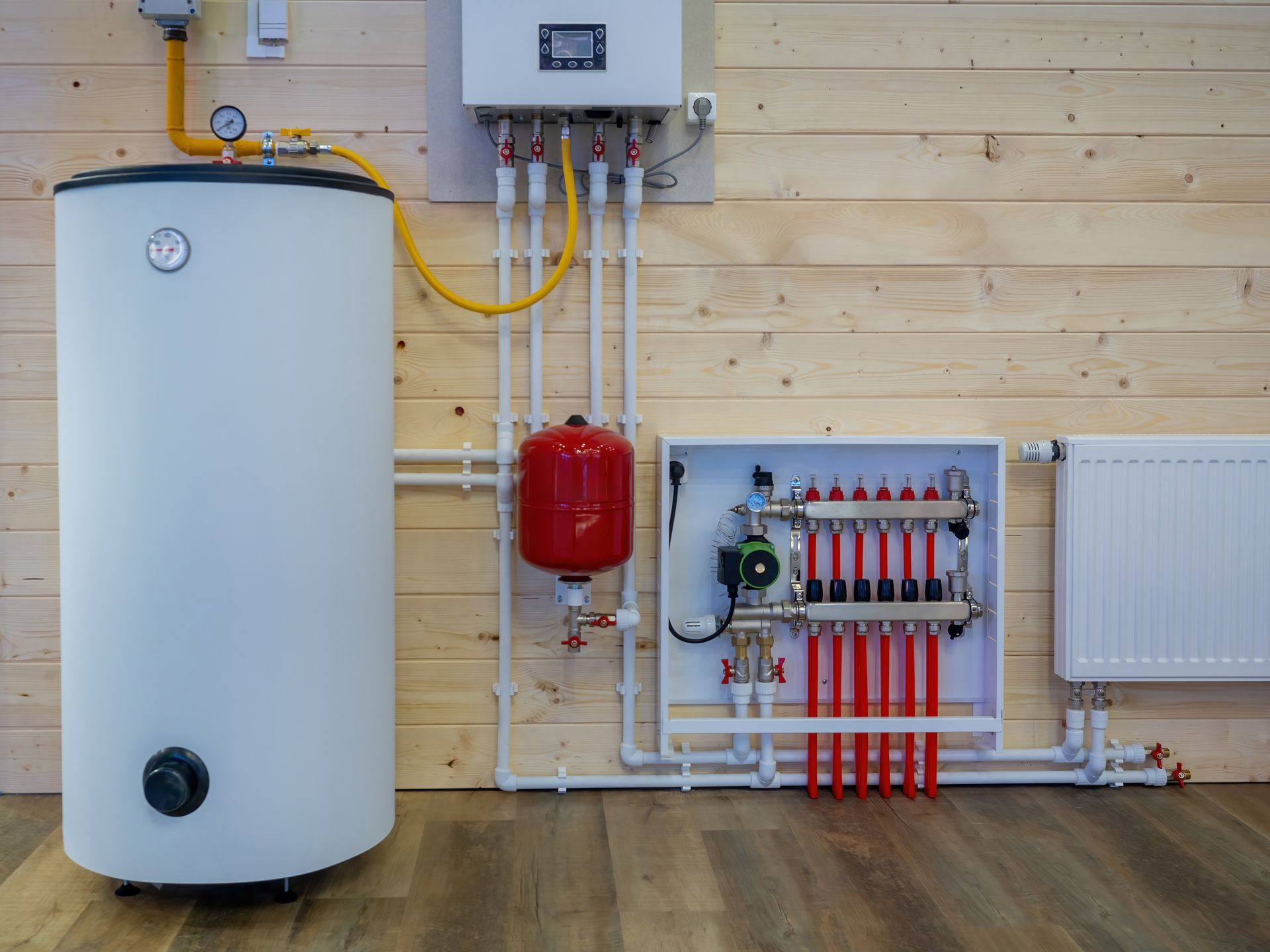
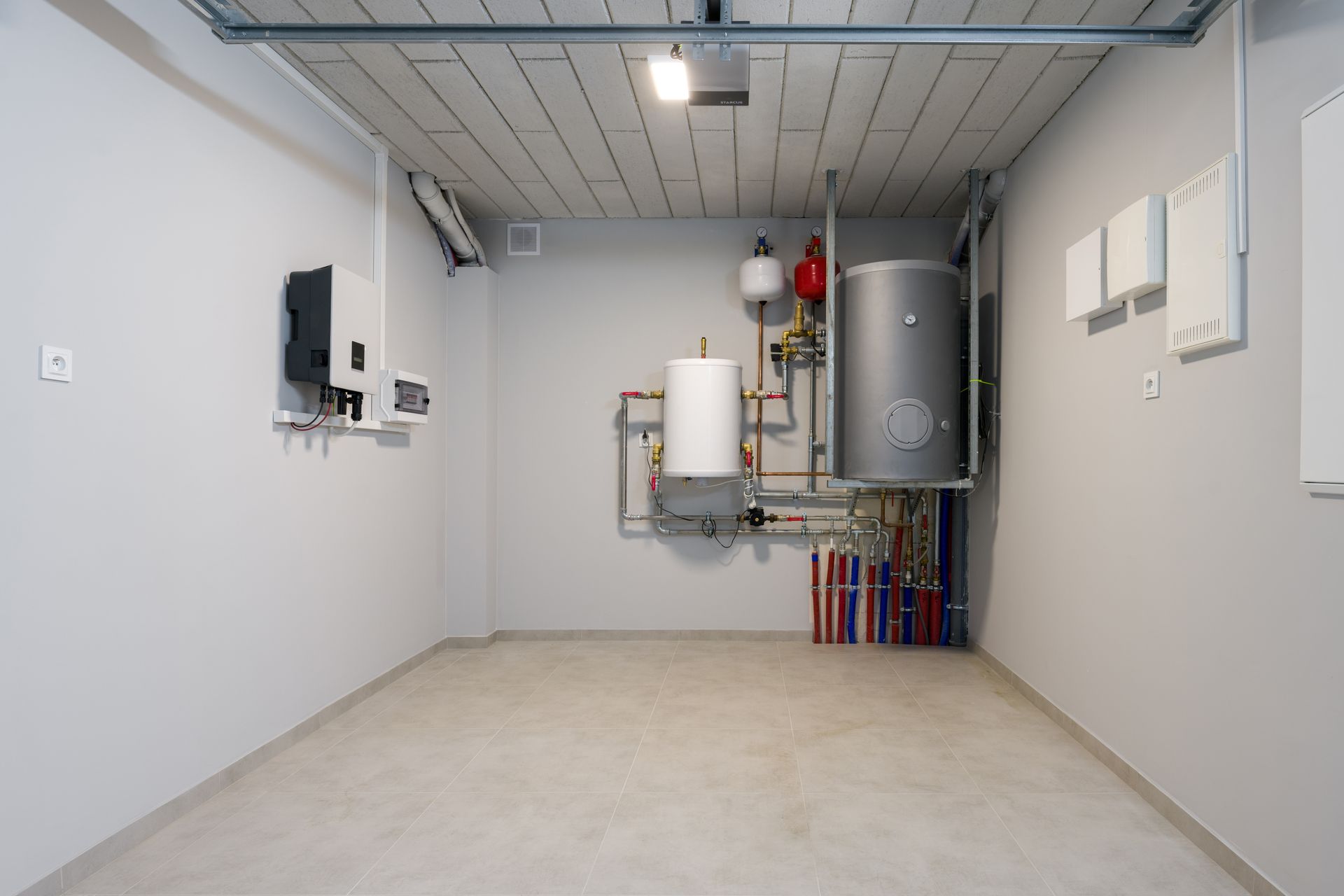
Your heating network operates as a closed loop that requires a specific amount of water pressure to function. If the pressure drops too low, the internal safety switches will prevent the main burner from igniting. Small, invisible leaks around the expansion tank or older pipe fittings allow water to slowly escape over the summer, leaving the system underpressurized when autumn arrives.
→ A quick tip to remember: A professional will check the pressure reducing valve and the expansion tank diaphragm to ensure the system holds a steady twelve to fifteen PSI.
It is a pattern the team at Excelsior Mechanical Plumbing, Heating & Air Conditioning hears regularly when residents in Stonebridge fire up their heating for the first time.
►Client Experience: "The service was prompt and solved the issue with no parts required. Fair price with knowledgeable techs. Would recommend."
Delivering honest service that solves the root problem without unnecessary upselling is what earned this recommendation from Russ Zacharias.
Why DIY Boiler Maintenance Makes Things Worse
Attempting to bleed radiators or adjust pressure valves without proper training often creates much larger plumbing disasters. If you open a bleed valve too far and snap the rusted metal screw, boiling hot water will immediately flood your living room floor. Furthermore, manually overfilling the system with fresh cold water introduces raw oxygen into the pipes, which accelerates internal rusting and destroys the cast iron components from the inside out.
→ From a professional standpoint: Only a licensed technician should handle the auto fill valves, as an overpressurized system will constantly trigger the emergency relief valve and dump water into your basement.
How often should a residential boiler be serviced?
You should schedule a professional tune up for your hydronic heating system once every single year, ideally in the early fall. A technician needs to inspect the gas burners, clean the heat exchanger, and test the circulation pumps before the equipment faces heavy winter usage. Annual servicing catches minor pressure leaks early and ensures the equipment runs at maximum energy efficiency.
Securing Your Winter Heating
Your hydronic heating system is a powerful and quiet way to warm your home, but it requires precise calibration. Bringing in a professional to handle the pressure levels and purge the trapped air guarantees your equipment operates flawlessly. Reach out to our heating experts today to schedule a thorough tune up and prepare your home for the freezing weather.
Share This Blog