4 Signs It Is Time to Replace Your Old Galvanized Steel Plumbing
Excelsior Mechanical Plumbing, Heating & Air Conditioning • August 11, 2026
Aging metal plumbing poses a massive risk to both your home water quality and your mechanical equipment. When old steel pipes start to fail, the rust and debris travel directly into your hot water tank, cutting its lifespan in half. At Excelsior Mechanical Plumbing, Heating & Air Conditioning, we help property owners in the Sutherland area identify these failing water lines before they cause major property damage. Spotting the signs of internal decay is the best way to protect your costly heating appliances.
Replacing an old water distribution system is a major project that requires careful planning and high quality materials. We often see homeowners ignore the warning signs until a pipe bursts or a water heater rusts out completely. Taking action early ensures your hot water tanks remain clean and efficient for years. Here are the key indicators that your old steel lines are ready for an upgrade.
What We Cover:
- Tip #1: Watch for Orange Discoloration in Hot Water
- Tip #2: Track Plunging Water Pressure at the Tap
- Tip #3: Look for External Rust Flakes on Pipe Joints
- Tip #4: Monitor the Lifespan of Your Hot Water Tank
- Frequently Asked Questions
Tip #1: Watch for Orange Discoloration in Hot Water
Rust inside galvanized pipes breaks loose and travels directly into your fixtures.
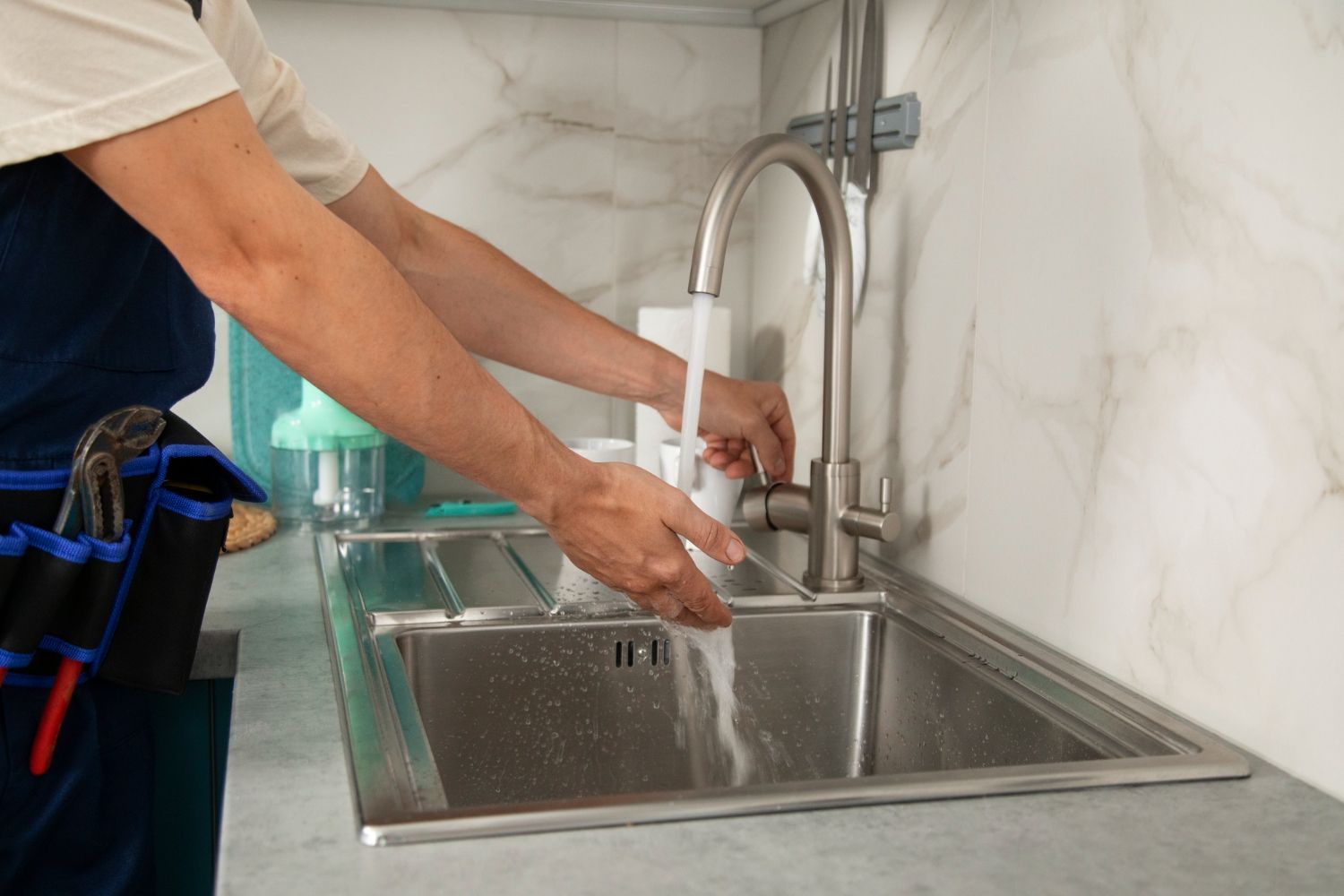
- Turn on the hot water tap first thing in the morning and look for a brownish or orange tint in the stream.
- This discoloration indicates that the steel lining has failed and raw iron is actively rusting inside the pipe.
- The rust settles at the bottom of your hot water tank, creating a thick sludge that ruins the heating element.
Tip #2: Track Plunging Water Pressure at the Tap
As steel pipes corrode, the rust builds up on the inside walls and restricts the flow of water.
- Notice if the water pressure drops significantly when someone flushes a toilet while you are in the shower.
- This heavy scaling inside the pipe reduces a wide opening down to the size of a drinking straw.
- Restricted flow forces your hot water tank to work harder to supply the fixtures, increasing your utility bills.
It is a pattern the team at Excelsior Mechanical Plumbing, Heating & Air Conditioning hears regularly when property owners finally decide to upgrade their failing systems.
►Client Experience: "Have been using Excelsior Mechanical for years now. It is always top notch service. Desmond is honest, knowledgeable and professional. He goes above and beyond and is always very reliable. I would recommend him and the company to anyone which I have in the past."
Having a reliable professional assess your old piping ensures you get honest advice about when to replace it, an approach Justin Chomitzky values highly.
Tip #3: Look for External Rust Flakes on Pipe Joints
A visual inspection of exposed pipes in your basement reveals a lot about their internal condition.
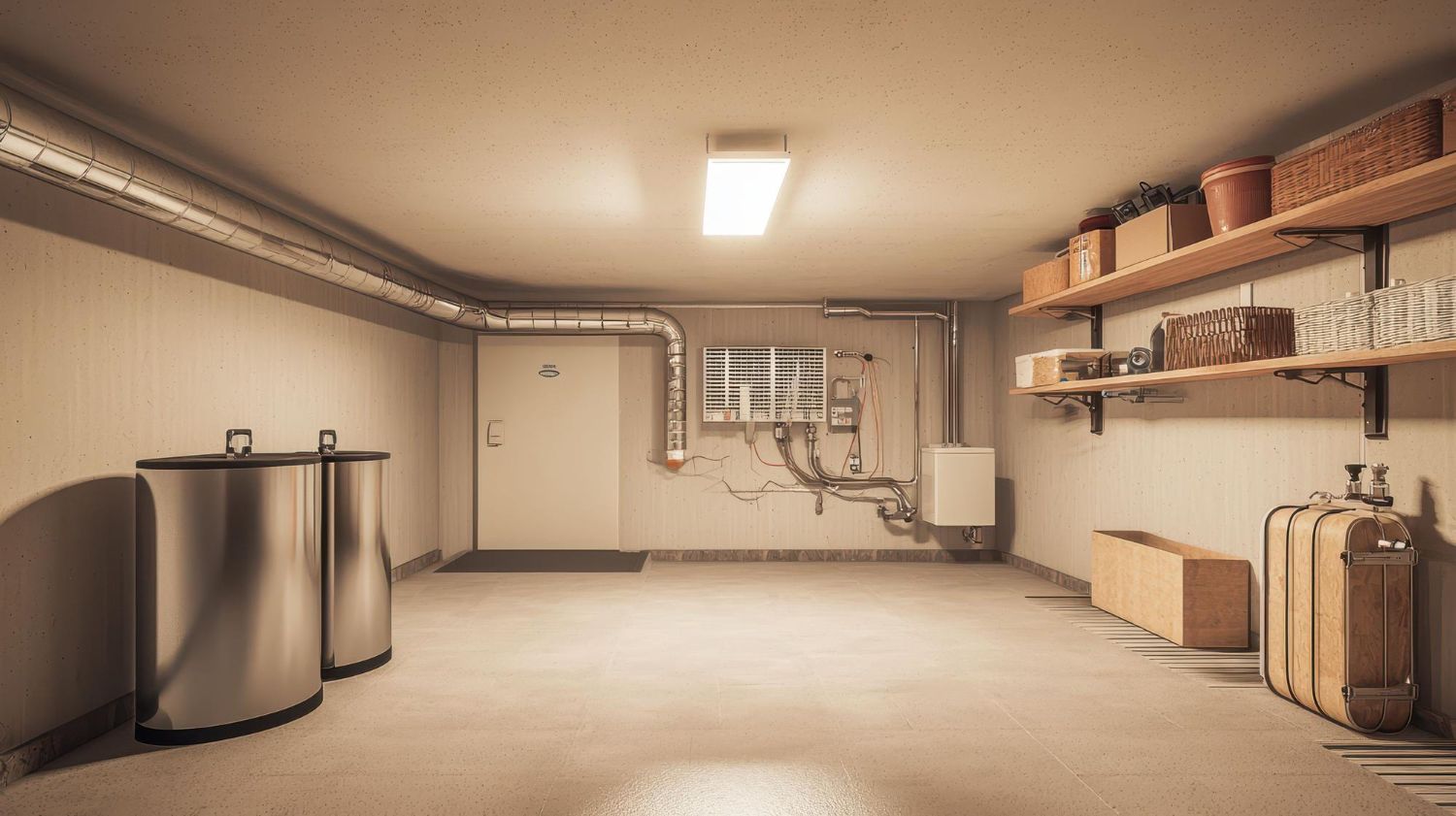
- Shine a flashlight on the threaded joints where two galvanized pipes connect.
- If you see crusty brown flakes or white calcium deposits on the threads, the pipe is already leaking microscopically.
- These weakened joints will eventually snap under pressure and flood your mechanical room.
Tip #4: Monitor the Lifespan of Your Hot Water Tank
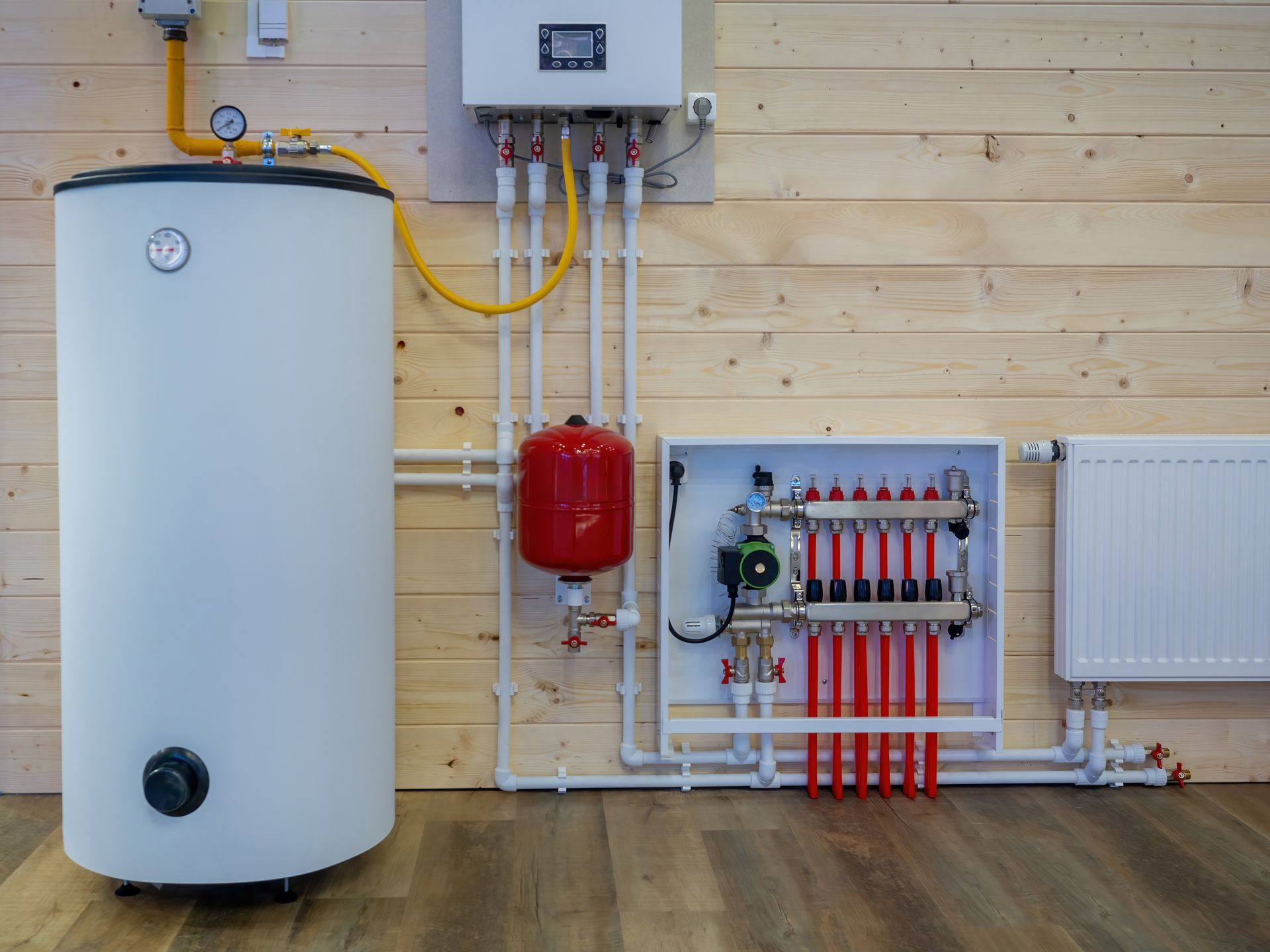
Old plumbing directly dictates how long your heating appliances will survive.
- If you are replacing your hot water tank every five or six years, the incoming rust from your pipes is the culprit.
- New tanks require a clean water supply to operate at peak efficiency.
- Upgrading your supply lines to modern PEX or copper guarantees your new tank will last its full expected lifespan.
Frequently Asked Questions
Is it safe to drink water from old galvanized pipes?
Water flowing through rusted galvanized pipes can carry heavy metals like lead and iron into your drinking glass. The zinc coating originally used to protect the steel often contained impurities that break down over decades of use. If your water looks discolored or tastes metallic, it is best to use a strong filter until the plumbing is replaced.
How does old plumbing affect my water heater?
Rust and mineral scale from deteriorating pipes constantly flush into the water heater. Because the heater is the lowest point in the system, all that heavy debris settles directly on the bottom of the tank. This thick layer of sludge traps the heat from the burner, causing the bottom of the tank to overheat, warp, and eventually split open.
Is PEX better than copper for cold climates?
PEX tubing is highly recommended for cold climates like Saskatchewan because it has a unique ability to expand. If a sudden freeze occurs in an unheated basement, rigid copper pipes will split open almost instantly. PEX can expand significantly without breaking, saving your property from massive water damage when the ice thaws.
Protecting Your Home Infrastructure
Ignoring rusty pipes is a fast track to ruined appliances and flooded basements. Upgrading your water lines protects your property value and ensures your hot water tank operates perfectly. Contact our team today to schedule an evaluation of your old steel plumbing.
Share This Blog